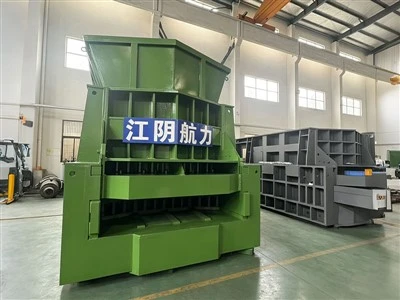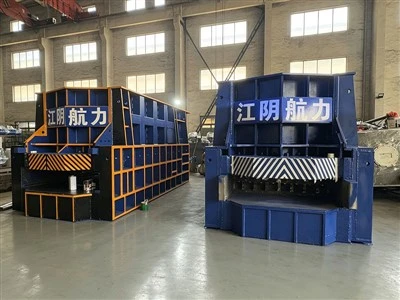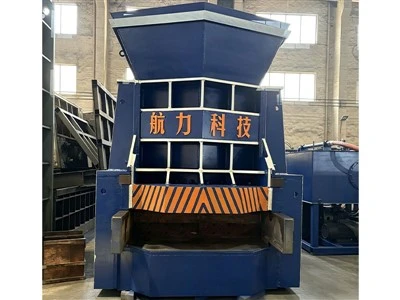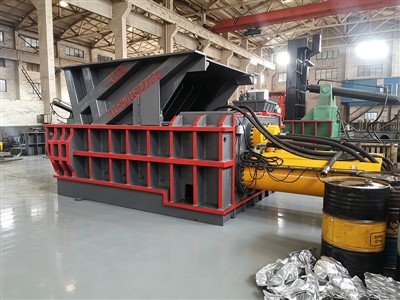

Common structural configurations for four-column hydraulic presses include the three-beam four-column type, the frame tie-rod type, and the single-column vertical type. The three-beam four-column structure offers good rigidity and ease of adjustment, making it the most common choice for general-purpose four-column hydraulic presses. The frame tie-rod structure provides superior rigidity and high precision, making it frequently used for die spotting and assembly of medium-to-large sheet metal stampings. The single-column vertical structure offers lower rigidity and is typically used for processes such as straightening and press-fitting of shaft and sleeve components. Equipment requiring special functions-such as an ejection cylinder-may utilize derivative configurations like the five-beam eight-column design.
The operating process is as follows: driven by an electric motor, the hydraulic pump draws hydraulic fluid from the reservoir and pressurizes it. Hydraulic valves (such as directional control valves, relief valves, and pressure control valves) regulate the flow direction and pressure of the fluid, driving the piston within the hydraulic cylinder to perform linear motion; this, in turn, moves the movable crossbeam (slide) to execute the pressing operation. With technological advancements, modern four-column hydraulic presses (such as servo-hydraulic presses) incorporate servo motor drives, proportional servo valves, and closed-loop control systems. These features enable precise control over pressure, speed, and position-achieving pressure control accuracy within ±0.5% and displacement accuracy at the 0.001 mm level-while also offering capabilities like energy recovery, thereby significantly enhancing energy efficiency and the level of intelligent operation.