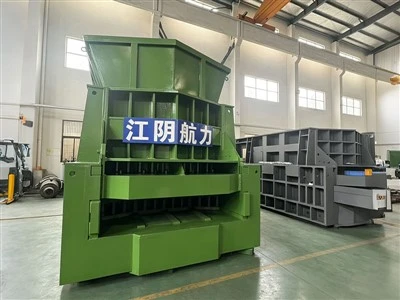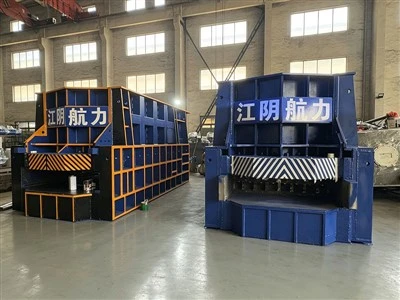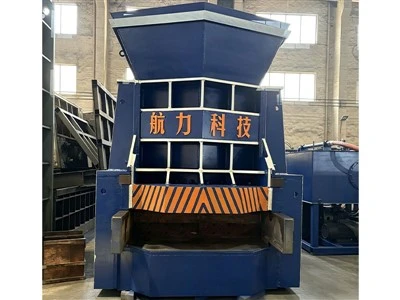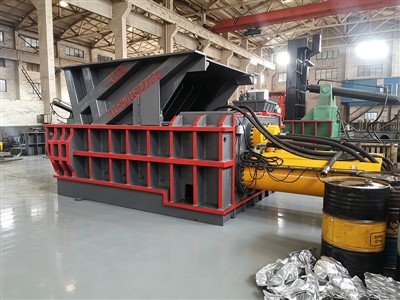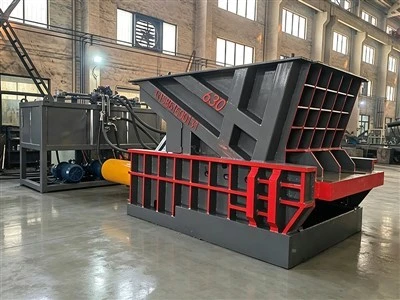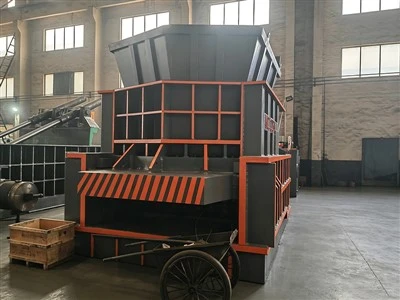

Metal shearing machines come in a wide variety of types and can be classified based on their drive mechanism, structural design, and functional characteristics:
1. Mechanical Shearing Machines: These use an electric motor to drive a flywheel and clutch mechanism, converting rotary motion into linear motion to actuate the cutting blade. Characterized by simple construction, ease of maintenance, and low cost, they are suitable for shearing medium-to-thin sheet metal. However, as they generate relatively low shearing force, they are typically used in applications where high precision is not a primary requirement.
2. Hydraulic Shearing Machines: These utilize high-pressure oil from a hydraulic system to drive a hydraulic cylinder, which pushes the blade to perform the shearing action. Hydraulic shears deliver greater shearing force and operate smoothly with low noise, making them ideal for cutting thick plates and high-strength materials. The hydraulic system allows for precise control over shearing speed and positioning, thereby enhancing cutting accuracy and versatility.
3. CNC Shearing Machines: These integrate Computer Numerical Control (CNC) technology to enable automated operation through programming. Based on preset drawings or data, CNC shears automatically adjust blade position, cutting angle, and stroke to cut complex shapes. This equipment significantly reduces the need for manual intervention while improving production efficiency and consistency, making it particularly well-suited for high-volume, high-precision manufacturing requirements.