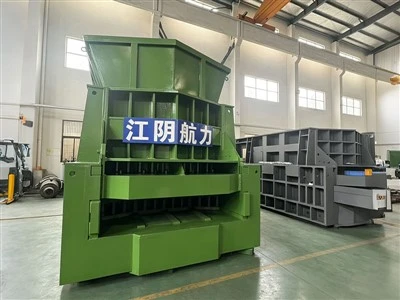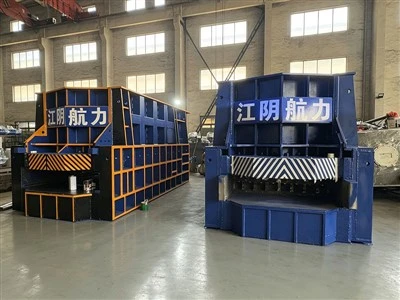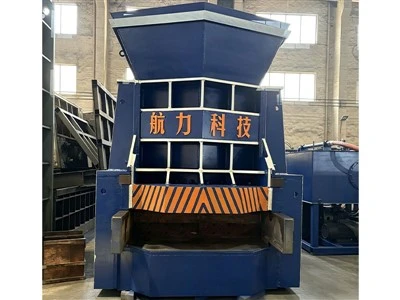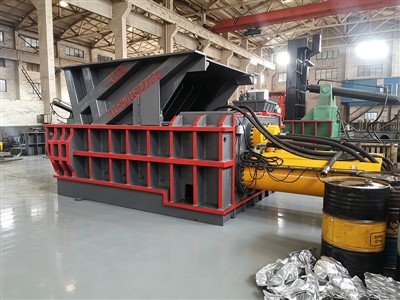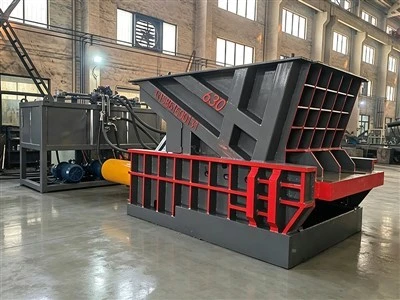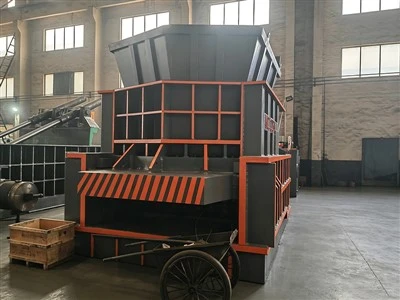

The four-column hydraulic press-also known as an oil-hydraulic press-is a type of general-purpose pressure equipment that processes malleable materials via hydraulic transmission based on Pascal's Law. Its typical structure consists of a four-column, three-platen frame, hydraulic cylinders, crossbeams, upright columns, and a hydraulic control system. Capable of performing operations such as pressing, deep drawing, and straightening, it is widely used in fields including metal and non-metal material forming, powder product processing, automotive parts manufacturing, aerospace, shipbuilding, new energy, powder metallurgy, and plastic molding.
The equipment features an independent power system and centralized push-button controls, supporting adjustment, manual, and semi-automatic operating modes with adjustable working pressure and stroke speed; it utilizes components such as hydraulic oil tanks, pump stations, and directional control valves to facilitate the conversion of hydraulic energy. Modern models incorporate proportional servo valves and closed-loop control systems to enhance pressure control precision to within ±0.5%, while utilizing digital twin technology and embedded industrial Ethernet modules to enable real-time data uploading and process optimization. Certain models employ master-slave cylinder circuits to lower oil temperatures and keep operating noise below 75 decibels; additionally, the use of servo drives and energy recovery systems reduces specific energy consumption by more than 30% compared to traditional models.